


Smart fence technology is changing how critical infrastructure projects get specified – and which technology fits depends entirely on the job.
For most of the last century, fence and detection were two separate line items. The fence kept honest people out. A separate system – cameras, motion sensors, sometimes nothing at all – tried to catch the rest. Two specs, two install crews, two commissioning events, two maintenance schedules.
Smart fence technology collapses all of that into one system. The fence itself becomes the sensor.
But "smart fence" isn't one thing. It's a category, and the right technology depends entirely on what you're protecting, where you're protecting it, and what regulatory environment you're operating in.
The Main Approaches
Fiber optic detection. A single fiber optic cable runs along the fence line. When someone cuts, climbs, or lifts the fabric, the disturbance creates an acoustic signature in the fiber. The system reads that signature, classifies the threat, and pinpoints the location – often within a few feet. Coverage extends across long perimeters from a single processor, the cable carries no field power, and it's immune to lightning and EMI. Good fit for long perimeters and remote sites.
Accelerometer and vibration sensors with deterrent lighting. Sensors mounted along the fence line detect cut, climb, and lift attempts. When triggered, integrated lighting strobes at the point of intrusion – immediate visual deterrence in addition to the alert. These systems typically run on a mesh network back to a central controller, which means fewer cable runs and easier integration. A strong fit for solar farms, agricultural facilities, and sites where the deterrent itself adds value.
Non-lethal electrified perimeter. In certain high-security applications – including some correctional facilities in jurisdictions like Wisconsin – non-lethal electrified perimeter remains the specified solution. It's a different regulatory and operational picture than commercial detection, but it's part of the category.
Sensor fusion. Increasingly, the smartest systems combine multiple inputs – fence sensors, ground-level radar, video analytics – and use AI to filter out weather, wildlife, and other nuisance triggers. The point isn't more sensors. It's fewer false alarms.
Why It Matters for Specs
For critical infrastructure projects – substations, data centers, correctional facilities, water treatment, natural gas town border stations, solar farms, regulated agriculture – smart fence changes the security conversation at the front end of the project.
The old sequence: spec the fence, build the fence, then come back later and add detection on top. That retrofit approach typically costs 40 to 50 percent more than designing for integration from the start. There's a second trench to dig, a second conduit run to pull, a second site disturbance event, a second commissioning. Sometimes the fence has to be partially disassembled to install the sensor cable properly.
The integrated sequence: spec fence and detection together as one system. One trench. One install crew that knows both trades. One commissioning event with both the fence and the detection signed off at the same time.
The savings show up in three places: excavation and trenching, conduit and cable runs, and project schedule. On a long perimeter, the difference can be substantial enough to fund a more capable detection system than would otherwise fit the budget.
The Lifecycle Math
There's a second reason the integrated approach matters: asset life.
A properly installed commercial fence – correct post depth, right materials for the climate, quality hardware – lasts decades. So do most properly installed detection systems. Fiber installations routinely operate 20+ years with minimal maintenance because there's no field electronics exposed to weather, lightning, or temperature swings. The intelligence sits inside, in the processor. The cable is just glass.
When the detection asset life matches the fence asset life, the perimeter ages as one system. That's different from the typical pattern where the fence outlasts the detection by ten years and the owner ends up retrofitting twice over the life of the asset.
Where Each Technology Fits
Fiber detection earns its place on long perimeters, high-consequence assets, and projects where location accuracy actually matters for response. Substations, data centers, and pipeline infrastructure are obvious fits.
Hybrid detection-and-lighting systems fit sites where visible deterrence adds value alongside the alert – solar farms, agricultural facilities, regulated crops, and similar applications where lighting up the point of intrusion is part of the protection plan.
Non-lethal electrified perimeter fits specific high-security applications where jurisdiction and threat profile call for it.
Sensor fusion belongs anywhere nuisance alarms have become operationally expensive – which is most large perimeters in regions with significant wildlife or weather activity.
The wrong answer is treating any of these as universal. The right answer is matching technology to threat model, regulatory environment, and asset profile.
What to Do With This
If you have a 2026 or 2027 project where perimeter intrusion detection is in scope – or where the asset profile suggests it should be – get the detection conversation into the civil and electrical plans before the bid goes out. Not after.
The earlier the integration happens, the more options you have and the less it costs. The later it happens, the more it looks like a retrofit, even on a new build.
Century Fence and Century Security work these projects together, in-house. Same company, same project manager, one accountability chain. If you're scoping a project where the perimeter is part of the security plan rather than separate from it, we can help you think through which approach fits before the spec is locked in.
👉 [Talk to our team about an integrated perimeter assessment]
Insights from over 100 years of experience
RElated Posts
Insights from over 100 years of experience.
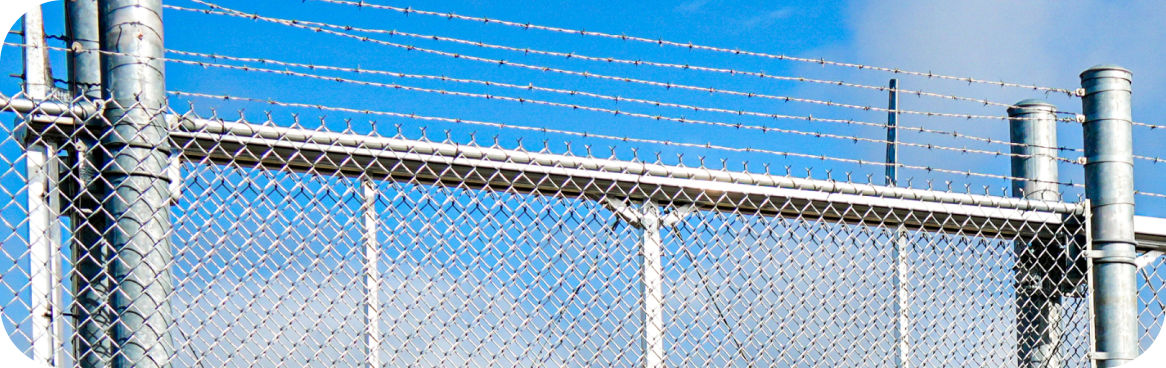
When the Fence Becomes the Sensor
For most of the last century, fence and detection were two separate line items. Smart fence technology collapses them into one – the fence itself becomes the sensor.
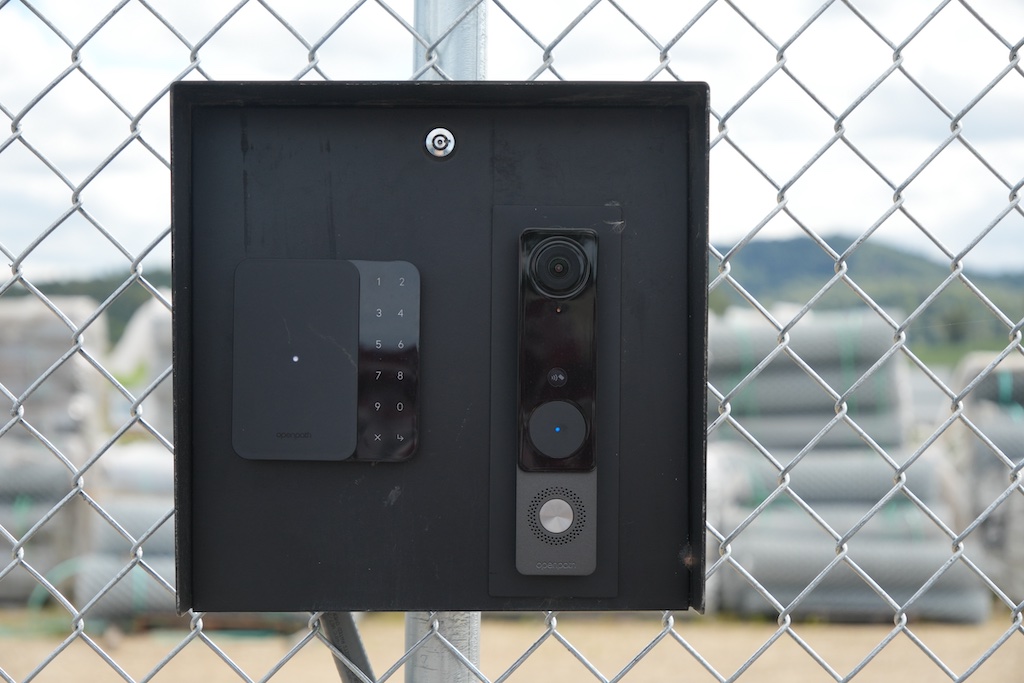
The Layered Security Approach: Why Modern Perimeter Protection Goes Beyond the Fence Line
GCs and facility managers need to understand how integrated detection technologies are becoming the new standard for critical infrastructure protection.
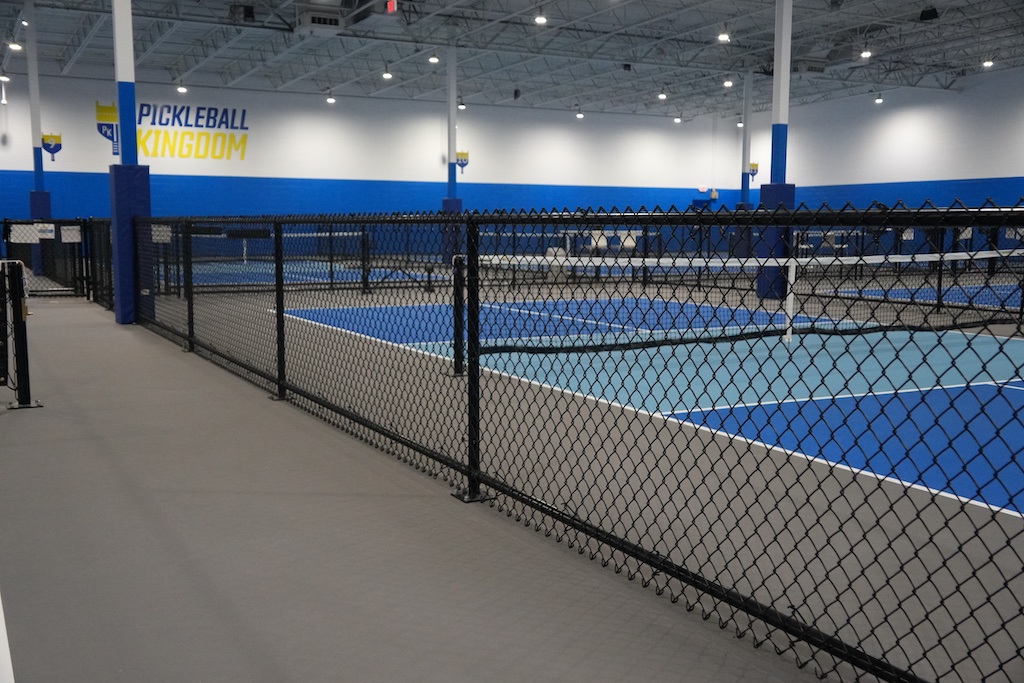
Why Commercial Fencing Aesthetics Now Matter as Much as Function
The days of choosing between "secure" or "attractive" are over. Here's what GCs need to know about the design evolution transforming perimeter protection.