


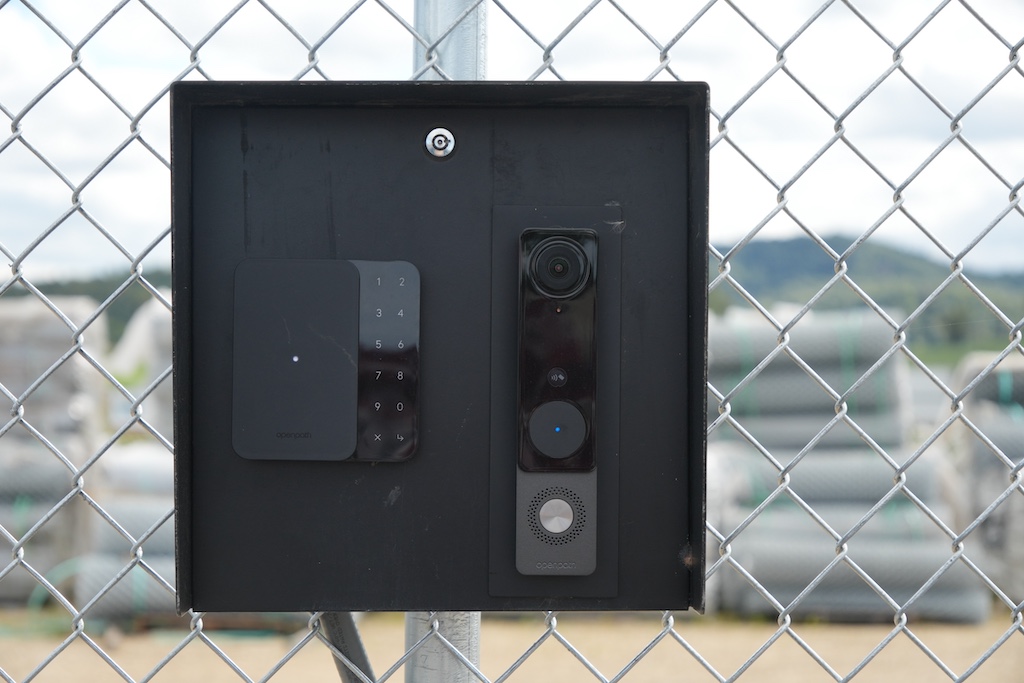
GCs and facility managers need to understand how integrated detection technologies are becoming the new standard for critical infrastructure protection.
When a perimeter is breached, seconds matter. That reality is driving a fundamental shift in perimeter protection. Physical barriers remain essential—but they're no longer sufficient.
The emerging standard for critical infrastructure is a layered security approach combining physical deterrence with active detection and real-time response. For GCs and facility managers, understanding these technologies is now as important as understanding fence specifications—because clients are demanding them, and failing to design for them creates costly retrofits.
Why Passive Perimeters Need Intelligent Protection
Traditional fencing operates passively—providing no intelligence about what's happening at the perimeter. You don't know about breaches until damage is discovered. This creates critical vulnerabilities: delayed response, ineffective deterrence (cutting fence takes seconds), no forensic data, and compliance gaps for industries with regulatory requirements.
The solution: active detection that alerts security personnel in real time when someone attempts to breach the barrier.
The Four Layers of Modern Perimeter Protection
Layer 1: Enhanced Physical Barriers
Modern barriers do more than block entry. Anti-climb fencing uses tightly spaced mesh (3" x 0.5") preventing footholds. Anti-cut fencing incorporates hardened steel resisting cutting tools for several minutes. Crash-rated gates stop vehicles at specified speeds. Topped barriers add visual deterrence. But even enhanced barriers are passive until integrated with detection.
Layer 2: Fence-Line Detection
Fiber optic sensors (like Senstar's FiberPatrol) use laser pulses through cable attached to fence fabric. Climbing, cutting, or shaking triggers precise location detection—often within 10 feet. Detection ranges reach 10 kilometers, immune to electrical interference, requiring no field power. These provide the critical "first alert" that someone is actively breaching the perimeter.
Layer 3: Perimeter Zone Detection
3D LiDAR systems emit laser pulses mapping three-dimensional space. They detect and classify objects by size, speed, and direction—differentiating between people and animals. Benefits include 50-100 meter range, operation in darkness/fog/rain/snow, reduced false alarms, and virtual detection zones at different distances. Security teams receive alerts when someone approaches the fence, enabling proactive response before breach occurs.
Layer 4: Video Intelligence
AI-powered cameras analyze, not just record. They distinguish real threats from nuisance triggers, track intruders across zones, provide searchable forensic review, and generate behavior-based alerts. Thermal imaging works in complete darkness. PTZ cameras automatically track threats. The most sophisticated systems use sensor fusion—detection automatically cueing cameras to intrusion points for immediate verification.
Real-World Applications
Data Centers: Anti-climb fencing + fiber optic detection + LiDAR + AI cameras provide intrusion detection and audit trails for certifications.
Utilities: Crash-rated gates + fence sensors + thermal cameras protect remote substations and switching stations.
Manufacturing: Anti-cut fencing + microwave detection + AI cameras focus on shipping/receiving and high-value storage.
Chemical/Pharma: Regulatory requirements mandate all four layers for detection, delay, and documentation.
What You Need to Know
Design for integration early: Retrofitting is always more expensive. Early planning saves money and delivers better outcomes.
Plan infrastructure: Detection needs power, network, and equipment rooms in the civil/electrical design.
Match threats to solutions: Logistics centers have different needs than utility substations. Understanding threat models determines appropriate technology.
Maintenance is ongoing: Active systems require calibration, updates, and sensor replacement. Build lifecycle costs into budgets.
Integration amplifies effectiveness: Real power comes from systems working together—sensors triggering cameras, LiDAR cueing personnel, analytics filtering false alarms.
The Century Advantage
Century Fence and Century Security operate as integrated divisions to deliver complete layered security. Century Fence handles physical barriers—from standard chain-link to custom anti-climb systems and crash-rated gates. Century Security provides the intelligence layer—fiber optic detection, AI cameras, access control, gate automation and unified monitoring platforms.
One team coordinates the entire solution from design through commissioning, ensuring physical and electronic components work seamlessly. For GCs, this simplifies procurement. For facility managers, it means single-point accountability.
Ready to discuss integrated perimeter security? Schedule a consultation with Century Security.
Century Security combines generational physical security expertise with cutting-edge detection and surveillance technologies. Learn more at CenturySecurity.com.
Insights from over 100 years of experience
RElated Posts
Insights from over 100 years of experience.
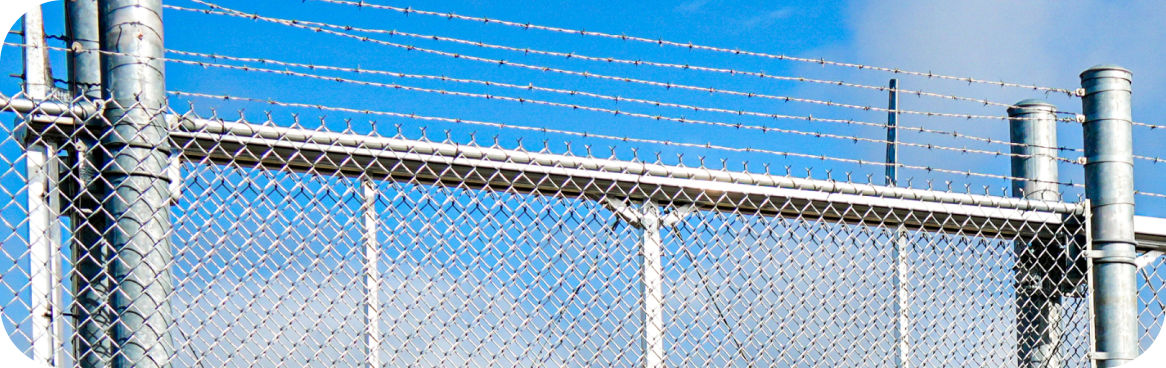
When the Fence Becomes the Sensor
For most of the last century, fence and detection were two separate line items. Smart fence technology collapses them into one – the fence itself becomes the sensor.
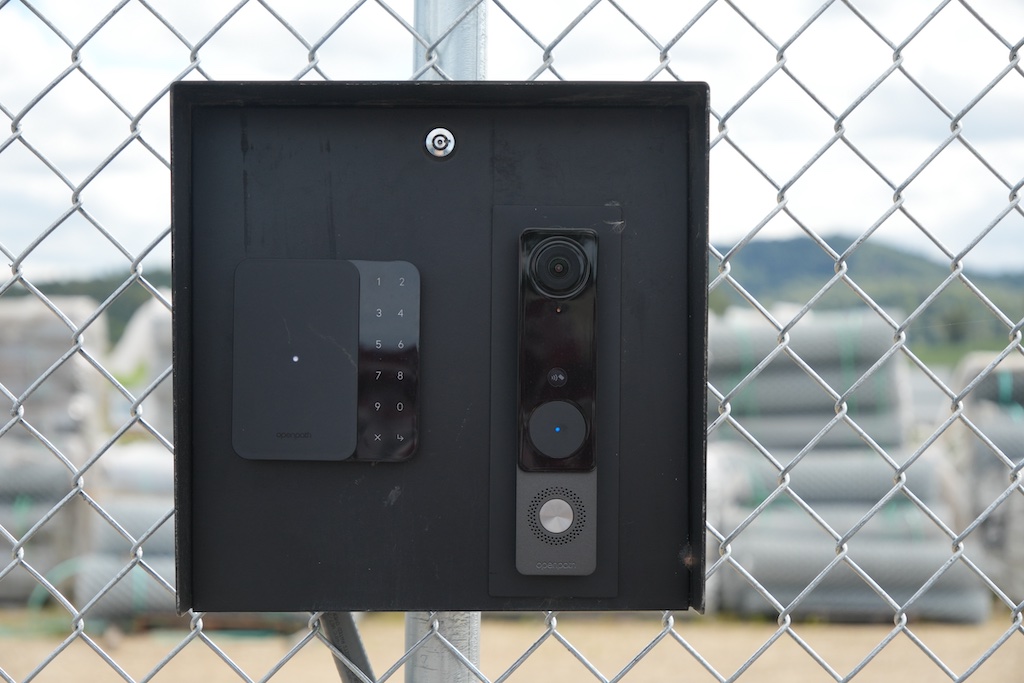
The Layered Security Approach: Why Modern Perimeter Protection Goes Beyond the Fence Line
GCs and facility managers need to understand how integrated detection technologies are becoming the new standard for critical infrastructure protection.
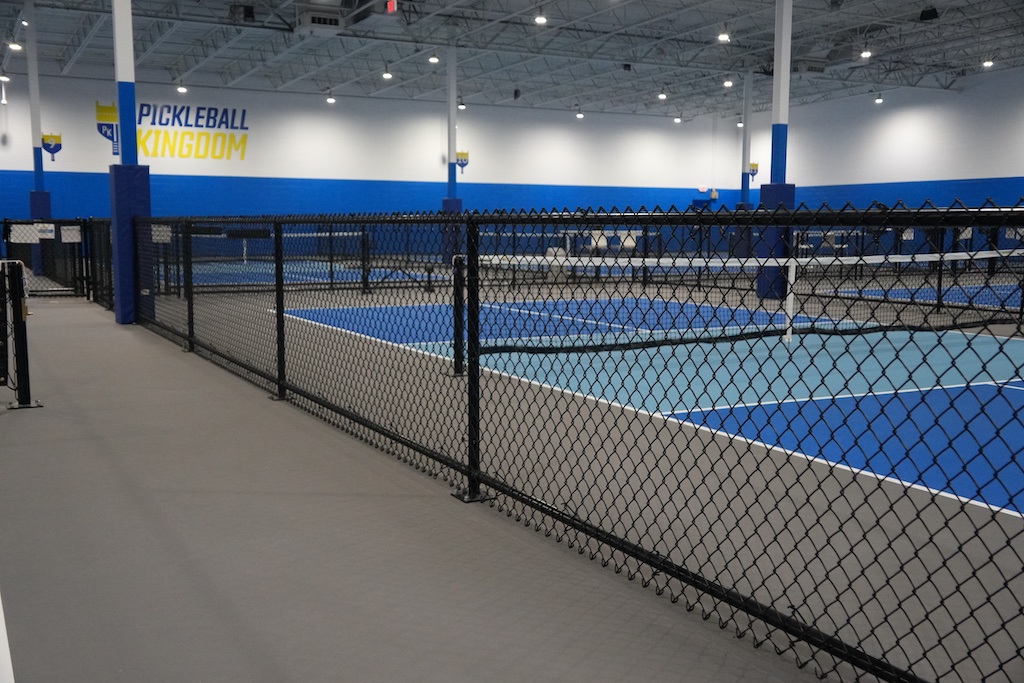
Why Commercial Fencing Aesthetics Now Matter as Much as Function
The days of choosing between "secure" or "attractive" are over. Here's what GCs need to know about the design evolution transforming perimeter protection.