


Growth is easy to talk about and hard to do well—especially for a company built on relationships that span decades. When general contractors started asking Century Fence to follow them beyond the Midwest, it raised a question every established contractor eventually faces: how do you scale without diluting what made you worth hiring in the first place?
It's a real tension. The construction industry is full of cautionary tales—regional firms that expanded too fast, stretched their crews thin, and watched quality slip. Most regional contractors can't travel. Most national contractors sacrifice consistency for coverage. Century's challenge was to figure out how to do both—maintain the craftsmanship of a family business while building the infrastructure to deploy anywhere.
How We Actually Did It
Expansion wasn't a quick decision. It started with customers. GCs who'd worked with Century for years—sometimes decades—kept running into the same problem: they'd win a project in a new state and have to find an unfamiliar fence contractor, absorb the risk of unknown crews, and hope for the best. They asked if we could come along.
So we built the capability methodically. Five regional fabrication facilities ensure materials are ready where they're needed. Our crew model—89 installers across dozens of crews, averaging 8.4 years tenure—means we deploy experienced people, not warm bodies. And $200M+ in bonding capacity gives GCs confidence we can back projects of any size in any geography.
But infrastructure alone doesn't prove anything. Execution does.
The Proving Ground
One of our early national projects told the story. A major engineering and construction firm brought us onto a massive solar installation—140,000 linear feet of security fencing across complex terrain with multiple ditch crossings. Their expectations were low. As their project team put it: "It's always the fence guys holding us up."
We told them we'd install 20,000 feet per week. They didn't believe it.
We deployed four separate crews working collaboratively on the same site—something the client said they'd never seen a fence contractor do. Our teams eliminated costly ditch crossings through field-level problem-solving, using installation techniques the client described as things they "had never seen accomplished before."
The result: 60,000 feet in 10 days. The full 140,000 feet were completed in five weeks. Zero safety incidents. Instead of the fence contractor holding up the project, other trades had to catch up to us.
That client has since brought Century to projects across multiple states—not because we asked, but because the work answered the only question that matters: can you deliver the same quality everywhere you go?
What This Means for GCs
For general contractors managing multi-state portfolios, subcontractor consistency is an underappreciated risk factor. Every time you onboard a new fence contractor in an unfamiliar market, you're absorbing unknowns—different quality standards, untested crews, communication patterns you haven't calibrated.
A contractor who already knows your specs, your superintendents, and your expectations eliminates that friction. And when that contractor can deploy experienced crews and fabricate materials regionally, the math changes on how you think about fencing across your entire portfolio.
Century Fence now serves general contractors nationwide—built the same way we've built everything since 1917: by earning it one project at a time.
👉 [Talk to Century Fence about your next out-of-state project →]
Insights from over 100 years of experience
RElated Posts
Insights from over 100 years of experience.
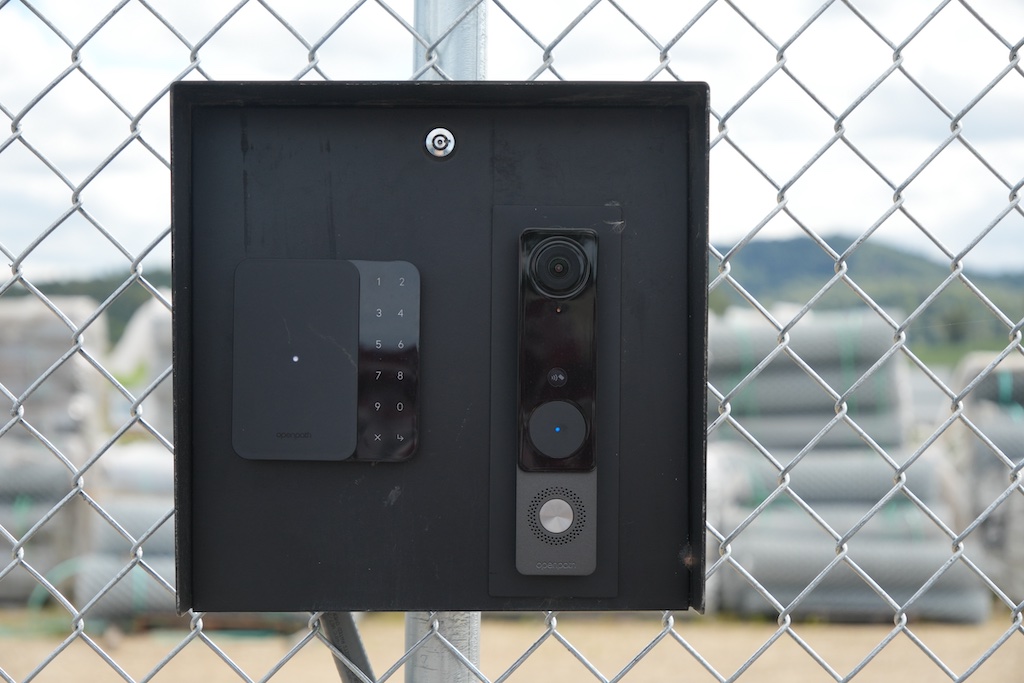
The Layered Security Approach: Why Modern Perimeter Protection Goes Beyond the Fence Line
GCs and facility managers need to understand how integrated detection technologies are becoming the new standard for critical infrastructure protection.
From Regional Roots to National Reach: What It Actually Takes to Expand Without Cutting Corners
Growth is easy to talk about and hard to do well—especially for a company built on relationships that span decades.
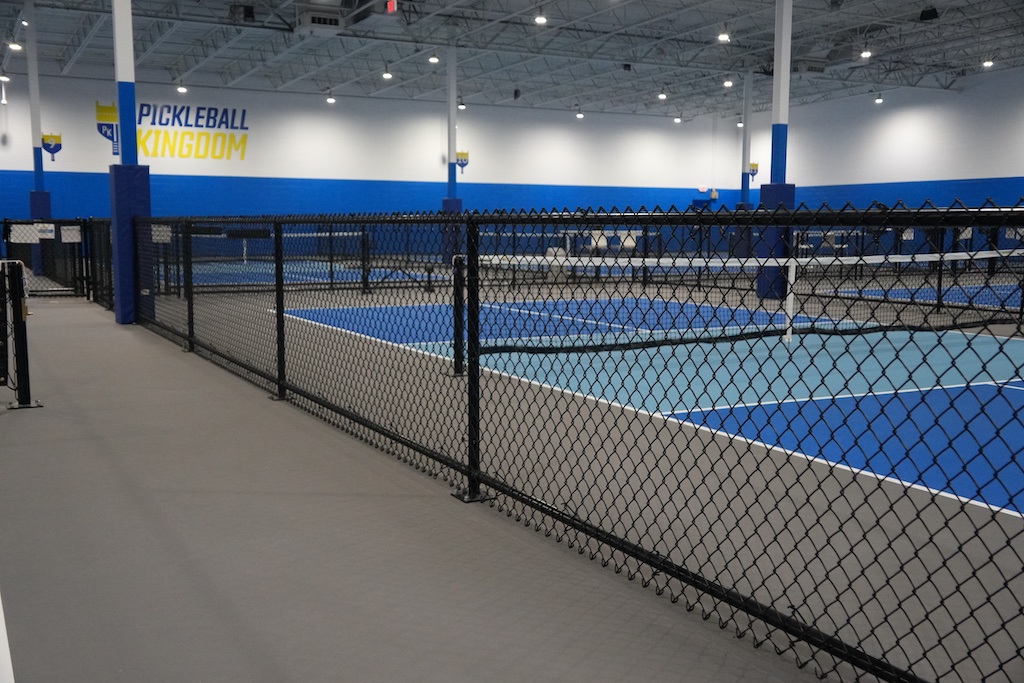
Why Commercial Fencing Aesthetics Now Matter as Much as Function
The days of choosing between "secure" or "attractive" are over. Here's what GCs need to know about the design evolution transforming perimeter protection.